When it comes to exports in Türkiye, most of the time we talk about production capacity, exchange rate or looking for new markets. However, according to experts, the biggest obstacle faced by thousands of SMEs who want to export in international markets is none of these. The main problem is the lack of knowledge about foreign trade processes. Incorrectly prepared documents, incorrect application of Incoterms rules, choosing inappropriate payment methods, deficiencies in logistics planning and mistakes made in customs processes weaken the competitiveness of companies and also lead to significant costs.
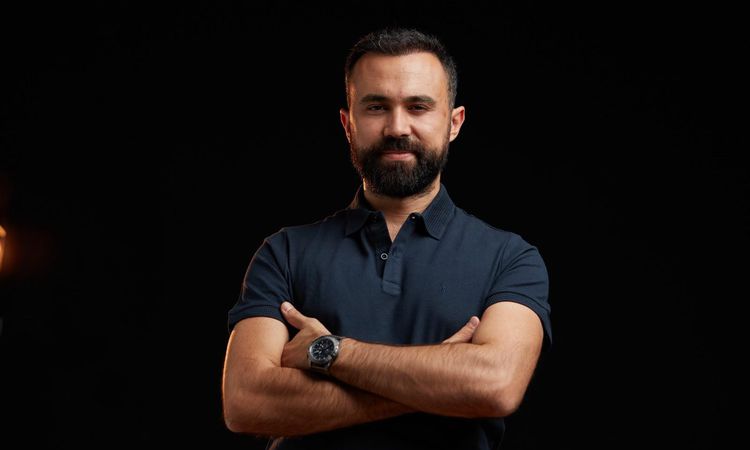
Mustafa Arda Uzun, a foreign trade expert who has been providing training, consultancy and commercial operations in the field of foreign trade for about seven years, states that although the export potential in Türkiye is high, many companies repeat the same basic mistakes in international markets. According to Uzun, the factor that determines success in exports is not only producing quality products, but also being able to manage the process correctly.
"Today, the products of many companies may be world-class. However, a seemingly profitable sale may result in a loss due to the wrong choice of delivery method, incomplete document preparation or inappropriate payment method. The most expensive mistake in export is often caused by lack of information," said Mustafa Arda Uzun, emphasizing that SMEs, especially those that have just started exporting, should invest more in operational processes.
One of the topics that Uzun draws attention to is the misinterpretation of Incoterms rules. Stating that international delivery methods should not be seen only as a logistic detail, Uzun states that these rules directly affect the sharing of risk, cost and responsibility. Similarly, he says that failure to use payment methods such as letter of credit, advance payment and cash against goods in the correct scenario may cause collection problems and financial losses.
Pointing out that document management is also of critical importance in foreign trade operations, Uzun states that the process ranging from customs declarations to documents of origin is one of the basic building blocks of international trade and makes the following assessment: "Export is not just a sales transaction. It requires the correct management of many disciplines at the same time, from logistics to customs, from financing to international legislation. Lack of information can sometimes cause the loss of a customer earned with weeks of effort in a single shipment."
Uzun's evaluations in this field are based not only on theoretical knowledge but also on practical experience in the field. Throughout his career, he took part in projects for many SMEs to expand into foreign markets and increase their export volume. Activities carried out within the scope of its commercial activities include contracts signed at the consular level and official signing ceremonies with the participation of a foreign minister of foreign affairs. This field experience shows that the problems he faces come directly from practice, not from theory.
One of Mustafa Arda Uzun's prominent activities in the sector was the Expinno platform, which carries foreign trade training to the digital environment. Expinno, one of the first online platforms to gather foreign trade training under one roof in Türkiye, has prepared video trainings on different areas of foreign trade by bringing together expert trainers on the same platform. Thanks to the platform, which has been used by more than 3 thousand free members to date, students have improved their knowledge, while companies have started to manage their export processes more consciously by increasing the foreign trade competencies of their employees.
Stating that digital technologies will be decisive in the export model of the future, Uzun states that companies should learn to analyze data correctly instead of just looking for new customers.